
When families begin exploring senior living options for a loved one with cognitive decline, safety quickly becomes the top concern. Questions arise around wandering, falls, medication management, and whether staff will truly be present when help is needed. Choosing a community is not just about comfort—it’s about trust.
In high-quality memory care, safety is never an afterthought. It is intentionally built into the environment, daily routines, staff training, and care philosophy. Understanding what safety truly looks like in a memory care community can help families make informed, confident decisions during an emotionally challenging time.
Why Safety Is Different in Memory Care
Cognitive conditions affect judgment, balance, perception, and awareness of risk. A resident may forget where they are, misjudge distances, or attempt tasks that are no longer safe to complete independently. These changes require a specialized approach to care that goes far beyond traditional senior housing.
Memory care communities are designed to reduce risk while preserving dignity. The goal is not restriction, but protection—creating an environment where residents can move freely, engage meaningfully, and feel secure without constant fear or confusion.
Secure Environments That Prevent Wandering
One of the most common safety concerns families express is wandering. Disorientation can lead individuals to leave familiar areas, placing them at serious risk. A secure memory care community addresses this concern through thoughtful design rather than confinement.
Secured entrances, monitored exits, enclosed courtyards, and discreet alarm systems allow residents to enjoy movement and independence while remaining protected. These features are carefully integrated to feel residential, not institutional, helping residents feel at home rather than restricted.
Dementia-Specific Safety Measures
Safety strategies must align with how cognitive conditions progress. Dementia safety focuses on anticipating risks before they become emergencies. This includes reducing visual confusion, minimizing overstimulation, and maintaining consistent layouts that are easy to navigate.
Clear sightlines, calm color palettes, and familiar landmarks help residents orient themselves throughout the day. These design choices may seem subtle, but they significantly reduce anxiety and accidents, especially during transitions or moments of confusion.
Fall Prevention as a Core Priority
Falls are one of the most serious risks for older adults, particularly those with cognitive impairment. Effective fall prevention in memory care requires a combination of environmental design, proactive care, and staff awareness.
Non-slip flooring, proper lighting, handrails, and clutter-free walkways are foundational elements. Beyond the physical space, care teams monitor gait changes, footwear, medication side effects, and fatigue levels—adjusting support as needed to reduce risk.
The Role of Supervised Care
Consistent supervision is essential in maintaining a safe environment. Supervised senior care ensures that residents are never left to navigate complex situations alone, while still respecting their independence.
Caregivers are trained to observe subtle changes in behavior or movement that may signal discomfort, confusion, or risk. This proactive presence allows staff to intervene early, preventing accidents and providing reassurance when residents feel unsure or overwhelmed.
Medication Safety and Health Monitoring
Medication management is a critical safety component in memory care communities. Cognitive impairment increases the risk of missed doses, double dosing, or incorrect administration if left unmanaged.
Trained staff oversee medication schedules, monitor for side effects, and coordinate with healthcare providers to ensure treatments remain appropriate as conditions evolve. This level of oversight reduces medical complications and supports overall stability.
Daily Routines That Reduce Risk
Predictable routines create a sense of security. When residents know what to expect, stress levels decrease—and with them, the likelihood of unsafe behaviors.
Structured daily schedules support both physical and emotional well-being. Meals, activities, rest periods, and personal care occur at consistent times, helping residents feel grounded and confident in their surroundings.
Behavioral Support and Emotional Safety
Safety is not only physical—it is emotional. Feelings of fear, frustration, or agitation can lead to behaviors that place residents at risk. Understanding and addressing these emotional needs is central to effective prevention dementia strategies.
Care teams are trained to respond calmly and compassionately, redirecting residents when needed and validating emotions rather than correcting them. This approach builds trust and reduces distress-driven behaviors.
Staff Training and Emergency Preparedness
A safe memory care community is only as strong as its team. Ongoing training ensures staff understand cognitive conditions, emergency protocols, and resident-specific care plans.
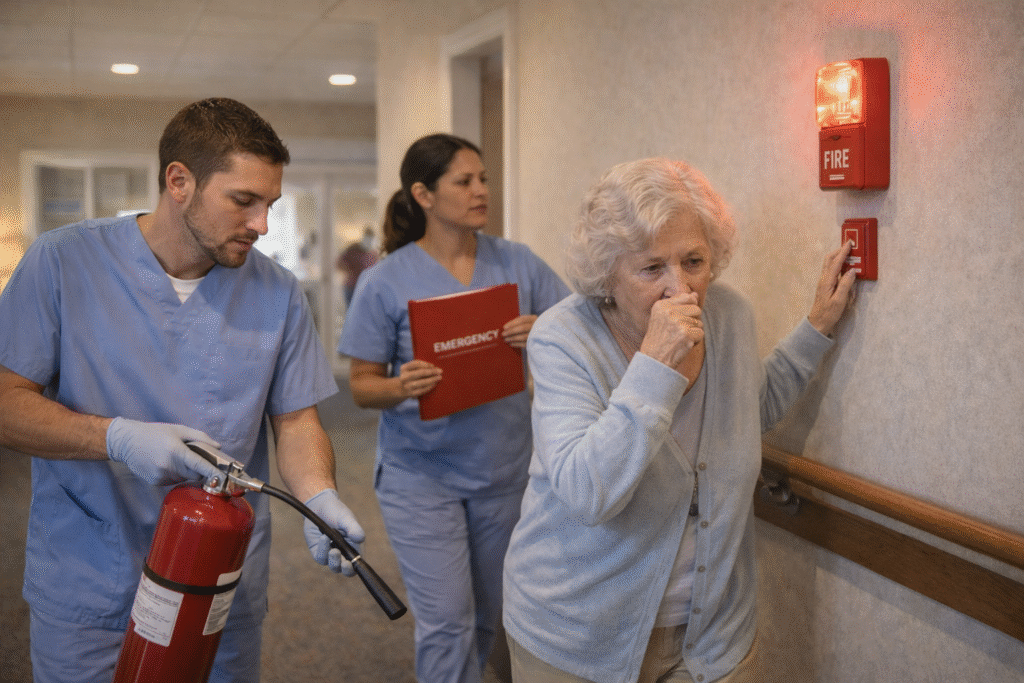
From evacuation procedures to health emergencies, teams are prepared to act quickly and confidently. Regular drills and continuous education help maintain a high standard of care and readiness.
Family Communication and Peace of Mind
Families deserve transparency and reassurance. Open communication about safety measures, care plans, and any changes in a loved one’s condition fosters trust and peace of mind.
At Haciendas at Grace Village, families are viewed as partners in care. This collaboration ensures safety strategies remain aligned with each resident’s needs and family expectations.
Conclusion
Safety in a memory care community is not defined by locked doors or constant monitoring—it is defined by thoughtful design, compassionate supervision, and proactive care. When safety is woven seamlessly into daily life, residents are free to engage, connect, and live with dignity. For families, understanding these elements transforms uncertainty into confidence and allows them to choose care with clarity and peace of mind.